
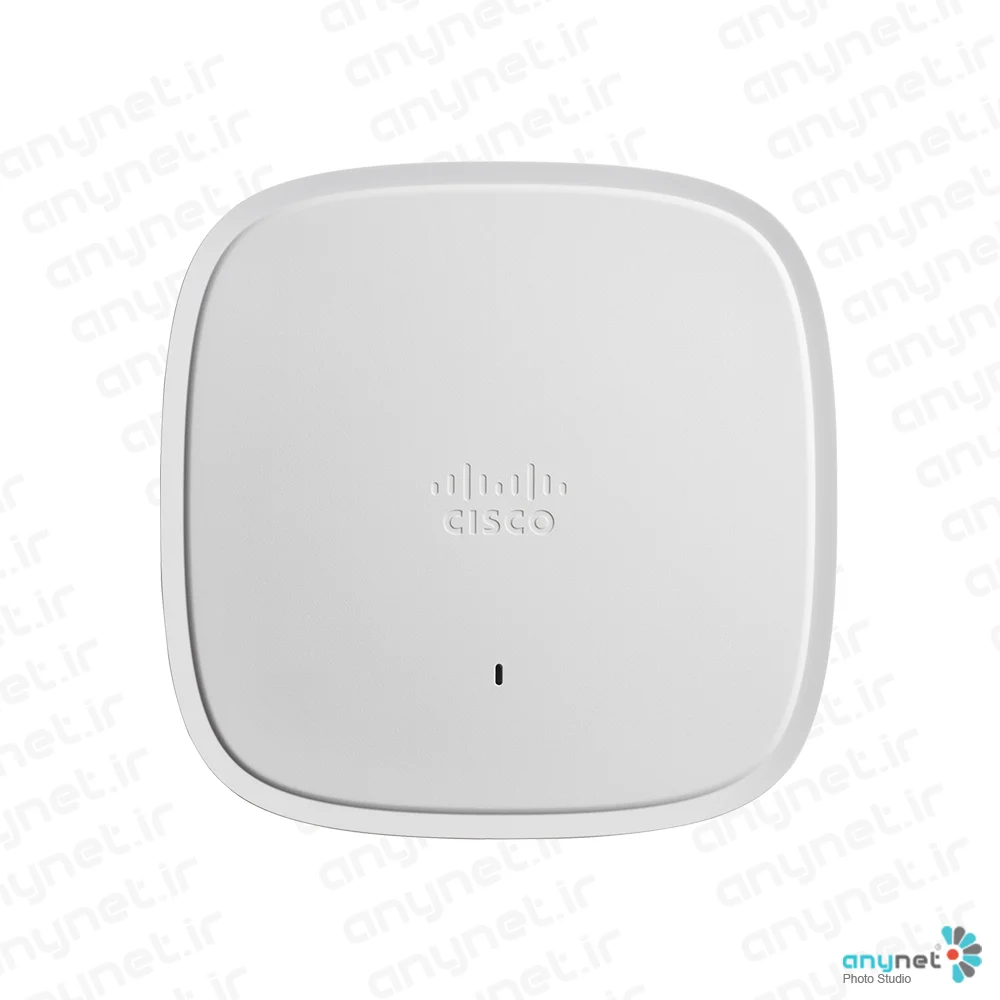

Cisco C9117AXI-Z Access Point
- Global Price List Information (GPL)
-
Category: Cisco Wireless LAN Products
-
Model: C9117AXI-Z
-
Description: Cisco Catalyst 9117AX Series
-
Price: 1,700.93 USDLast Update: 2021-04-29
- End-of-Sale and End-of-Life Information (EOL/EOS)
- Release Date:
- End-of-Sale Date:
- End-of-Support Date:
The Cisco Catalyst 9117 Series Access Points represent a significant leap forward in enterprise wireless technology, designed to meet the demands of modern, high-density environments. As organizations face an exponential increase in IoT devices and the need for more robust, secure connectivity, these access points provide a resilient and intelligent foundation. By integrating advanced hardware and software innovations, the series helps businesses automate and simplify their network operations while ensuring superior performance for next-generation applications.
Beyond standard connectivity, the Catalyst 9117 Series is built to support a hybrid workforce through features like the Office Extend Access Point (OEAP), which allows employees to securely access corporate networks from home without complex VPN configurations. By pairing these access points with Cisco Digital Network Architecture (Cisco DNA), organizations can transform their infrastructure into an intent-based network that is capable of scaling to meet future growth while maintaining high levels of security and analytics.
Product overview
The product lineup includes the Cisco Catalyst 9117AXI, which is designed for indoor environments and features internal antennas. Additionally, Cisco offers the C9117AXI-EWC model, which comes equipped with an embedded wireless controller. This built-in controller option simplifies deployment by removing the need for a separate physical appliance, making it an ideal choice for networks that require ease of management without adding extra hardware complexity.
These access points are engineered to be the first step in upgrading to Wi-Fi 6 (802.11ax) capabilities. They are fully compatible with Cisco’s broader ecosystem, including Cisco DNA Software, which provides real-time analytics, automated security, and virtualization. With a focus on long-term reliability, the series includes a limited lifetime hardware warranty, ensuring that businesses can confidently invest in a network infrastructure that remains relevant and secure as their digital requirements evolve.
Features and benefits
- Wi-Fi 6 (802.11ax) Support: Delivers predictable, high-efficiency performance for demanding applications like 4K/8K video, high-density collaboration tools, and IoT, utilizing both 2.4-GHz and 5-GHz bands.
- Advanced RF Technologies: Includes OFDMA for reduced latency, MU-MIMO for maximized throughput across multiple devices, and Target Wake Time (TWT) to significantly extend the battery life of connected devices.
- Embedded Wireless Controller: Allows for easy management directly on the access point, eliminating the need for a dedicated physical controller appliance.
- User Defined Network: Enables IT to provide end users with control over their own wireless partition, enhancing security and connectivity in shared spaces like dormitories or hospitals.
- Application Hosting: Simplifies IoT deployments by allowing containerized applications and hardware modules to run directly on the access point via the USB interface.
- Multigigabit Ethernet: Supports uplink speeds up to 5 Gbps on standard Category 5e cabling, providing flexible and high-speed connectivity.
- Bluetooth 5.0: Integrated BLE radio supports location tracking, wayfinding, and other IoT-based services.
- Apple Fast Lane: A unique partnership that optimizes the roaming experience and prioritizes business-critical applications for Apple devices on the corporate network.
- Secure Infrastructure: Built with Cisco Trust Anchor Technologies, including secure boot and image signing, to protect against supply chain threats and man-in-the-middle attacks.
- Cisco DNA Integration: Supports SD-Access and provides access to advanced tools like Cisco Spaces, Identity Services Engine (ISE), and DNA Analytics for comprehensive network visibility and automation.
The Cisco Catalyst 9117 Series Access Points are the next generation of enterprise access points. They are resilient, secure, and intelligent.
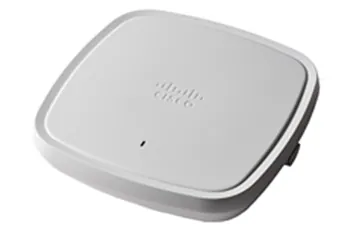
Hyperconnectivity with steady performance in demanding environments. Exponential growth of Internet of Things (IoT) devices and next-generation applications. Advanced persistent security threats. All of these require a wireless network that provides resiliency and superior connectivity, integrated security with advanced classification and containment, and hardware and software innovations to automate, secure, and simplify networks. Updating your wireless infrastructure to one that will meet these needs is paramount for today’s digital business. The new generation of Cisco Catalyst 9100 Access Points, with high-performance Wi-Fi 6 (802.11ax) capabilities and innovations in RF performance, security, and analytics, enables end-to-end digitization and helps accelerate the rollout of business services by delivering beyond Wi-Fi.
With the Catalyst 9117 Series, you can secure remote workers or the micro-office. Any Cisco Aironet or Catalyst access point can function as an Office Extend Access Point (OEAP). With an OEAP, an employee at home or in a temporary micro-office will have access to the corporate SSID and the corporate network without the need to set up a VPN or have any advanced technical know-how.
Extending Cisco’s intent-based network and perfect for networks of all sizes, the Catalyst 9117 Series scales to meet the growing demands of IoT while fully supporting the latest innovations and new technologies. The Catalyst 9117 Series is also a leader in performance, security, and analytics.
The Catalyst 9117 Series Access Points, paired with the Cisco Digital Network Architecture (Cisco DNA), are enterprise-class products that will address both your current and future needs. They are the first step in updating your network to take better advantage of all of the features and benefits that Wi-Fi 6 provides.
Table 1.Features and benefits
| Feature |
Benefits |
| 802.11ax (Wi-Fi 6) |
The IEEE 802.11ax emerging standard, also known as High-Efficiency Wireless (HEW) or Wi-Fi 6, builds on 802.11ac. It will deliver a better experience in typical environments and more predictable performance for advanced applications such as 4K or 8K video, high-density, high-definition collaboration apps, all-wireless offices, and IoT. 802.11ax is designed to use both the 2.4-Ghz and 5-GHz bands, unlike the 802.11ac standard. |
| 802.11ac Wave 2 support |
Provides a connection rate of up to 3.5 Gbps—significantly higher than rates offered by today’s high-end 802.11ac access points. |
| OFDMA |
OFDMA-based scheduling splits the bandwidth into smaller chunks called Resource Units (RUs), which can be allocated to individual clients only in the downlink direction to reduce overhead and latency. |
| MU‑MIMO technology |
Supporting eight spatial streams, MU-MIMO enables access points to split spatial streams between client devices, to maximize throughput. |
| Target wake time |
A new power savings mode called Target Wake Time (TWT) allows the client to stay asleep and to wake up only at prescheduled (target) times to exchange data with the AP. This offers significant energy savings for battery-operated devices, up to 3x to 4x compared to 802.11n and 802.11ac. |
| Embedded Catalyst Wireless Controller |
The 9117 Series Wi-Fi 6 access points are available with a built-in controller. The Cisco Embedded Wireless Controller on Catalyst 9100 Access Points provides an easy-to-deploy and manage option that does not require a physical appliance. The control resides on the access point, so there is no added footprint or complexity. And, because it uses Cisco Catalyst 9800 Series Wireless Controller code, it’s easy to migrate your network as your needs grow. For more details refer EWC. |
| User Defined Network |
A feature available in Cisco DNA Center, allows IT to give end users control of their very own wireless network partition on a shared network. End users can then remotely and securely deploy their devices on this network. Perfect for university dormitories or extended hospital stays, Cisco User Defined Network grants both device security and control, allowing each user to choose who can connect to their network. (Available second half of calendar year 2020.) For more details refer to UDN. |
| Application Hosting on Catalyst 9100 Access |
Application Hosting on Catalyst 9100 Access Points helps future-proof and simplify IoT deployments by eliminating the need to install and manage overlay networks. Utilizing the USB interface, containerized applications and hardware modules can be deployed to reduce cost and complexity. Adding Cisco DNA Center provides workflows and deployment-wide application lifecycle management. |
| Multigigabit Ethernet support |
Provides uplink speeds of 5 Gbps, in addition to 100 Mbps and 1 Gbps. All speeds are supported on Category 5e cabling for an industry first, as well as 10GBASE-T (IEEE 802.3bz) cabling. |
| Bluetooth 5.0 |
Integrated Bluetooth Low Energy (BLE) 5.0 radio to enable IoT use cases such as location tracking and wayfinding. |
| Apple features |
Apple and Cisco have partnered to create an optimal mobile experience for iOS devices on corporate networks based on Cisco technologies. Using new features in iOS 10, in combination with the latest software and hardware from Cisco, businesses can now more effectively use their network infrastructure to deliver an enhanced user experience across all business applications. At the center of the collaboration is a unique handshake between the Cisco WLAN and Apple devices. This handshake enables the Cisco WLAN to provide an optimal Wi-Fi roaming experience to Apple devices. Additionally, the Cisco WLAN trusts Apple devices and gives priority treatment for business-critical applications specified by the Apple device. This feature is also known as Fast Lane. |
For more details about Wi-Fi 6, see Cisco’s technical white paper on Wi-Fi 6.
For more details about C9117 feature support, see Cisco's Feature Matrix.
Secure infrastructure
Trustworthy systems built with Cisco Trust Anchor Technologies provide a highly secure foundation for Cisco products. With the Cisco Catalyst 9100 Access Points, these technologies enable assurance of hardware and software authenticity for supply chain trust and strong defense against man-in-the-middle attacks that compromise software and firmware. Trust Anchor capabilities include:
●Image signing
●Secure Boot:
●Cisco Trust Anchor module
Cisco DNA Software support
Pairing the Catalyst 9117 Series Access Points with Cisco DNA Software allows for a total network transformation. Cisco DNA Software allows you to truly understand your network with real-time analytics, quickly detect and contain security threats, and easily provide networkwide consistency through automation and virtualization. The Catalyst 9117 Series Access Points support SD-Access, Cisco’s leading enterprise architecture.
Working together, the Catalyst 9117 Series and Cisco DNA Software offer such features as:
●Cisco Spaces
●Cisco Identity Services Engine
●Cisco DNA Analytics and Assurance
The result? Your network stays relevant, becomes digital ready, and is the lifeblood of your organization.
Note: For information about Cisco DNA Software, refer to the Cisco DNA Software for Wireless.
Product specifications
Table 2.Specifications
| Item |
Specification |
|||||||||
| Part numbers |
Cisco Catalyst 9117AXI Access Point: Indoor environments, with internal antennas
●C9117AXI-x: Cisco Catalyst 9117
Cisco Catalyst 9117AXI Access Point: Indoor environments, with internal antennas, with embedded wireless controller
●C9117AXI-EWC-x: Cisco Catalyst 9117
Regulatory domains: (x = regulatory domain) Customers are responsible for verifying approval for use in their individual countries. To verify approval and to identify the regulatory domain that corresponds to a particular country, visit https://www.cisco.com/go/aironet/compliance. Not all regulatory domains have been approved. As they are approved, the part numbers will be available on the Global Price List. Cisco Wireless LAN Services
●AS-WLAN-CNSLT:
Cisco Wireless LAN Network Planning and Design Service
●AS-WLAN-CNSLT:
Cisco Wireless LAN 802.11n Migration Service
●AS-WLAN-CNSLT:
Cisco Wireless LAN Performance and Security Assessment Service
|
|||||||||
| Software |
●Cisco Unified Wireless Network Software Release 8.9 or later
●Cisco IOS XE Software Release 16.11 or later
|
|||||||||
| Supported wireless LAN controllers |
●Cisco Catalyst 9800 Series Wireless Controllers
●Cisco 3500, 5520, and 8540 Series Wireless Controllers, and Cisco Virtual Wireless Controller
|
|||||||||
| 802.11n version 2.0 (and related) capabilities |
●8x8 MIMO with four spatial streams for 5-GHz band
●4x4 MIMO with four spatial streams for 2.4-GHz band
●Maximal Ratio Combining (MRC)
●20- and 40-MHz channels
●PHY data rates up to 600 Mbps (40 MHz with 5 GHz)
●Packet aggregation: A-MPDU (transmit and receive), A-MSDU (transmit and receive)
●Cyclic Shift Diversity (CSD) support
|
|||||||||
| 802.11ac |
●8x8 downlink MU-MIMO with eight spatial streams
●MRC
●802.11ac beamforming
●20-, 40-, 80, and 160-MHz channels
●PHY data rates up to 3.5 Gbps at 5 GHz
●Packet aggregation: A-MPDU (transmit and receive), A-MSDU (transmit and receive)
●CSD support
●160 MHz support only on 4-spatial stream
|
|||||||||
| 802.11ax |
●8x8 MIMO with eight spatial streams for 5-GHz band
●4x4 MIMO with four spatial streams for 2.4-GHz band
●Downlink OFDMA
●TWT
●MRC
●802.11ax beamforming
●20-, 40-, 80, and 160-MHz channels
●PHY data rates up to 5 Gbps at 5 GHz
●Packet aggregation: A-MPDU (transmit and receive), A-MSDU (transmit and receive)
●CSD support
|
|||||||||
| Integrated antenna |
●2.4 GHz, peak gain 4 dBi, internal antenna, omnidirectional in azimuth
●5 GHz, peak gain 6 dBi, internal antenna, omnidirectional in azimuth
|
|||||||||
| Interfaces |
●1x 100, 1000, 2500, 5000 Multigigabit Ethernet (RJ-45) – IEEE 802.3bz
●Management console port (RJ-45)
●USB 2.0 with up to 4.5W (enabled via future software)
|
|||||||||
| Indicators |
●Status LED indicates boot loader status, association status, operating status, boot loader warnings, and boot loader errors
|
|||||||||
| Dimensions (W x L x H) |
●Access point (without mounting bracket and mounting features): 8.70 x 8.70 x 1.94 in. (22 x 22 x 4.93 cm)
●Access point (without mounting bracket): 8.70 x 8.70 x 2.19 in. (22 x 22 x 5.56 cm)
|
|||||||||
| Weight |
●3.02 lb (1.4 kg)
|
|||||||||
| Input power requirements |
●802.3at Power over Ethernet Plus (PoE+), 802.3bt Cisco Universal PoE (Cisco UPOE+, Cisco UPOE)
●Cisco power injector, AIR-PWRINJ6=
●802.3af PoE
●Cisco power injector, AIR-PWRINJ5= (Note: This injector supports only 802.3af)
Note: When 802.3af PoE is the source of power, both 2.4-GHz and 5-GHz radios will be reduced to 2x2 and Ethernet downgraded to 2.5 Gbps; in addition, the USB port will be off. |
|||||||||
| Power draw |
802.3bt Cisco UPOE+ Cisco UPOE Full Feature |
|||||||||
| Power source |
Power type |
2.4-GHz |
5-GHz |
Link speed |
USB |
LLDP |
||||
| 802.3bt Cisco UPOE+, Cisco UPOE |
PoE |
4x4 |
8x8 |
5 Gbps |
Y |
28.9W |
||||
| 802.3at Full Feature* |
||||||||||
| Power source |
Power type |
2.4-GHz |
5-GHz |
Link speed |
USB |
LLDP |
||||
| 802.3at |
PoE |
4x4 |
8x8 |
5 Gbps |
N |
25.4W |
||||
| 802.3af Reduced Feature |
||||||||||
| Power source |
Power type |
2.4-GHz |
5-GHz |
Link speed |
USB |
LLDP |
||||
| 802.3af |
PoE |
2x2 |
2x2 |
2.5 Gbps |
N |
13.5W |
||||
| *USB port can be enabled, but the 5-GHz radio will be reduced to 4x4. Note: Power required at the Power Source Equipment (PSE) will depend on the cable length and other environmental issues |
||||||||||
| Environmental |
●Nonoperating (storage) temperature: -22° to 158°F (-30° to 70°C)
●Nonoperating (storage) altitude test: 25˚C, 15,000 ft.
●Operating temperature: 32° to 122°F (0° to 50°C)
●Operating humidity: 10% to 90% (noncondensing)
●Operating altitude test: 40˚C, 9843 ft.
|
|||||||||
| System memory |
●2048 MB DRAM
●1024 MB flash
|
|||||||||
| Warranty |
Limited lifetime hardware warranty |
|||||||||
| Available transmit power settings |
2.4 GHz
●23 dBm (200 mW)
●-6 dBm (0.25 mW)
|
5 GHz
●26 dBm (400 mW)
●-4 dBm (0.4 mW)
|
||||||||
| Regulatory domains |
Note: Customers are responsible for verifying approval for use in their individual countries. To verify approval and to identify the regulatory domain that corresponds to a particular country, visit https://www.cisco.com/go/aironet/compliance. For information about Regulatory Domain support, refer to the Cisco Regulatory Domain White Paper |
|||||||||
| Compliance standards |
●
Safety:
◦IEC 60950-1 ◦EN 60950-1 ◦AS/NZS 60950.1 ◦UL 60950-1 ◦CAN/CSA-C22.2 No. 60950-1 ◦UL 2043 ◦Class III equipment
●
Emissions:
◦CISPR 32 (rev. 2015) ◦EN 55032 (rev. 2012/AC:2013) ◦EN 55032 (rev. 2015) ◦EN61000-3-2 (rev. 2014) ◦EN61000-3-3 (rev. 2013) ◦KN61000-3-2 ◦KN61000-3-3 ◦AS/NZS CISPR 32 Class B (rev. 2015) ◦47 CFR FCC Part 15B ◦ICES-003 (rev. 2016 Issue 6, Class B) ◦VCCI (V3) ◦CNS (rev. 13438) ◦KN-32 ◦TCVN 7189 (rev. 2009)
●
Immunity:
◦CISPR 24 (rev. 2010) ◦EN 55024/EN 55035 (rev. 2010)
●
Emissions and immunity:
◦EN 301 489-1 (v2.1.1 2017-02) ◦EN 301 489-17 (v3.1.1 2017-02) ◦QCVN (18:2014) ◦KN 489-1 ◦KN 489-17
●
Radio:
◦EN 300 328 (v2.1.1) |
◦EN 301 893 (v2.1.1) ◦AS/NZS 4268 (rev. 2017) ◦47 CFR FCC Part 15C, 15.247, 15.407 ◦RSP-100 ◦RSS-GEN ◦RSS-247 ◦China regulations SRRC ◦LP0002 (rev 2018.1.10) ◦Japan Std. 33a, Std. 66, and Std. 71 ◦EMI and susceptibility (Class B)
●
RF safety:
◦EN 50385 (rev. Aug 2002) ◦ARPANSA ◦AS/NZS 2772 (rev. 2016) ◦EN 62209-1 (rev. 2016) ◦EN 62209-2 (rev. 2010) ◦47 CFR Part 1.1310 and 2.1091 ◦RSS-102
●
IEEE standards:
◦IEEE 802.3 ◦IEEE 802.3ab ◦IEEE 802.3af/at/bt ◦IEEE 802.11 a/b/g/n/ac/ax ◦IEEE 802.11h, 802.11d
●
Security:
◦802.11i, Wi-Fi Protected Access 3 (WPA3), WPA2, WPA ◦802.1X ◦Advanced Encryption Standard (AES)
●
Extensible Authentication Protocol (EAP) types:
◦EAP-Transport Layer Security (TLS) ◦EAP-Tunneled TLS (TTLS) or Microsoft Challenge Handshake Authentication Protocol Version 2 (MSCHAPv2) ◦Protected EAP (PEAP) v0 or EAP-MSCHAPv2 ◦EAP-Flexible Authentication via Secure Tunneling (EAP-FAST) ◦PEAP v1 or EAP-Generic Token Card (GTC) ◦EAP-Subscriber Identity Module (SIM) |
||||||||
| Datarate/Transmit Power/ Receive sensitivity |
For more detailed information about Datarate/TX Power/Receive sensitivity, Please refer Cisco RF Details |
|||||||||
| Transmit power and receive sensitivity |
||||||||||
|
|
|
5-GHz radio |
2.4-GHz radio |
|||||||
|
|
Spatial streams |
Total transmit power (dBm) |
Receive sensitivity (dBm) |
Total transmit power (dBm) |
Receive sensitivity (dBm) |
|||||
| 802.11/11b |
||||||||||
| 1 Mbps |
1 |
- |
- |
23 |
-98 |
|||||
| 11 Mbps |
1 |
- |
- |
23 |
-89 |
|||||
| 802.11a/g |
||||||||||
| 6 Mbps |
1 |
23 |
-95 |
23 |
-94 |
|||||
| 24 Mbps |
1 |
22 |
-88 |
22 |
-87 |
|||||
| 54 Mbps |
1 |
21 |
-79 |
20 |
-78 |
|||||
| 802.11n HT20 |
||||||||||
| MCS0 |
1 |
23 |
-95 |
23 |
-94 |
|||||
| MCS31 |
4 |
20 |
-74 |
20 |
-73 |
|||||
| 802.11n HT40 |
||||||||||
| MCS0 |
1 |
23 |
-93 |
- |
- |
|||||
| MCS31 |
4 |
20 |
-72 |
- |
- |
|||||
| 802.11ac VHT20 |
||||||||||
| MCS0 |
1 |
23 |
-95 |
- |
- |
|||||
| MCS8 |
1 |
20 |
-75 |
- |
- |
|||||
| MCS9 |
1 |
NA |
NA |
- |
- |
|||||
| MCS0 |
2 |
23 |
-95 |
- |
- |
|||||
| MCS8 |
2 |
20 |
-74 |
- |
- |
|||||
| MCS9 |
2 |
NA |
NA |
- |
- |
|||||
| MCS0 |
3 |
23 |
-95 |
- |
- |
|||||
| MCS9 |
3 |
19 |
-72 |
- |
- |
|||||
| MCS0 |
4 |
23 |
-94 |
- |
- |
|||||
| MCS9 |
4 |
19 |
-71 |
- |
- |
|||||
| 802.11ac VHT40 |
||||||||||
| MCS0 |
1 |
23 |
-94 |
- |
- |
|||||
| MCS9 |
1 |
19 |
-71 |
- |
- |
|||||
| MCS0 |
2 |
23 |
-93 |
- |
- |
|||||
| MCS9 |
2 |
19 |
-70 |
- |
- |
|||||
| MCS0 |
3 |
23 |
-92 |
- |
- |
|||||
| MCS9 |
3 |
19 |
-69 |
- |
- |
|||||
| MCS0 |
4 |
23 |
-91 |
- |
- |
|||||
| MCS9 |
4 |
19 |
-68 |
- |
- |
|||||
| 802.11ac VHT80 |
||||||||||
| MCS0 |
1 |
23 |
-91 |
- |
- |
|||||
| MCS9 |
1 |
19 |
-67 |
- |
- |
|||||
| MCS0 |
2 |
23 |
-90 |
- |
- |
|||||
| MCS9 |
2 |
19 |
-66 |
- |
- |
|||||
| MCS0 |
3 |
23 |
-89 |
- |
- |
|||||
| MCS9 |
3 |
19 |
-65 |
- |
- |
|||||
| MCS0 |
4 |
23 |
-88 |
- |
- |
|||||
| MCS9 |
4 |
19 |
-64 |
- |
- |
|||||
| 802.11ac VHT160 |
||||||||||
| MCS0 |
1 |
23 |
-88 |
- |
- |
|||||
| MCS9 |
1 |
18 |
-65 |
- |
- |
|||||
| MCS0 |
2 |
23 |
-87 |
- |
- |
|||||
| MCS9 |
2 |
18 |
-64 |
- |
- |
|||||
| MCS0 |
3 |
23 |
-86 |
- |
- |
|||||
| MCS9 |
3 |
18 |
-63 |
- |
- |
|||||
| MCS0 |
4 |
23 |
-85 |
- |
- |
|||||
| MCS9 |
4 |
18 |
-62 |
- |
- |
|||||
| 802.11ax HE20 |
||||||||||
| MCS0 |
1 |
23 |
-95 |
23 |
-94 |
|||||
| MCS11 |
1 |
18 |
-68 |
16 |
-67 |
|||||
| MCS0 |
2 |
23 |
-95 |
23 |
-94 |
|||||
| MCS11 |
2 |
18 |
-67 |
16 |
-66 |
|||||
| MCS0 |
3 |
23 |
-95 |
23 |
-94 |
|||||
| MCS11 |
3 |
18 |
-66 |
16 |
-65 |
|||||
| MCS0 |
4 |
23 |
-94 |
23 |
-93 |
|||||
| MCS11 |
4 |
18 |
-65 |
16 |
-64 |
|||||
| 802.11ax HE40 |
||||||||||
| MCS0 |
1 |
23 |
-94 |
|||||||
| MCS11 |
1 |
18 |
-65 |
|||||||
| MCS0 |
2 |
23 |
-93 |
|||||||
| MCS11 |
2 |
18 |
-64 |
|||||||
| MCS0 |
3 |
23 |
-92 |
|||||||
| MCS11 |
3 |
18 |
-63 |
|||||||
| MCS0 |
4 |
23 |
-91 |
|||||||
| MCS11 |
4 |
18 |
-62 |
|||||||
| 802.11ax HE80 |
||||||||||
| MCS0 |
1 |
23 |
-91 |
- |
- |
|||||
| MCS11 |
1 |
17 |
-63 |
- |
- |
|||||
| MCS0 |
2 |
23 |
-90 |
- |
- |
|||||
| MCS11 |
2 |
17 |
-62 |
- |
- |
|||||
| MCS0 |
3 |
23 |
-89 |
- |
- |
|||||
| MCS11 |
3 |
17 |
-61 |
- |
- |
|||||
| MCS0 |
4 |
23 |
-88 |
- |
- |
|||||
| MCS11 |
4 |
17 |
-60 |
- |
- |
|||||
| 802.11ax HE160 |
||||||||||
| MCS0 |
1 |
23 |
-88 |
- |
- |
|||||
| MCS11 |
1 |
16 |
-59 |
- |
- |
|||||
| MCS0 |
2 |
23 |
-87 |
- |
- |
|||||
| MCS11 |
2 |
16 |
-58 |
- |
- |
|||||
| MCS0 |
3 |
23 |
-86 |
- |
- |
|||||
| MCS11 |
3 |
16 |
-57 |
- |
- |
|||||
| MCS0 |
4 |
23 |
-85 |
- |
- |
|||||
| MCS11 |
4 |
16 |
-56 |
- |
- |
|||||
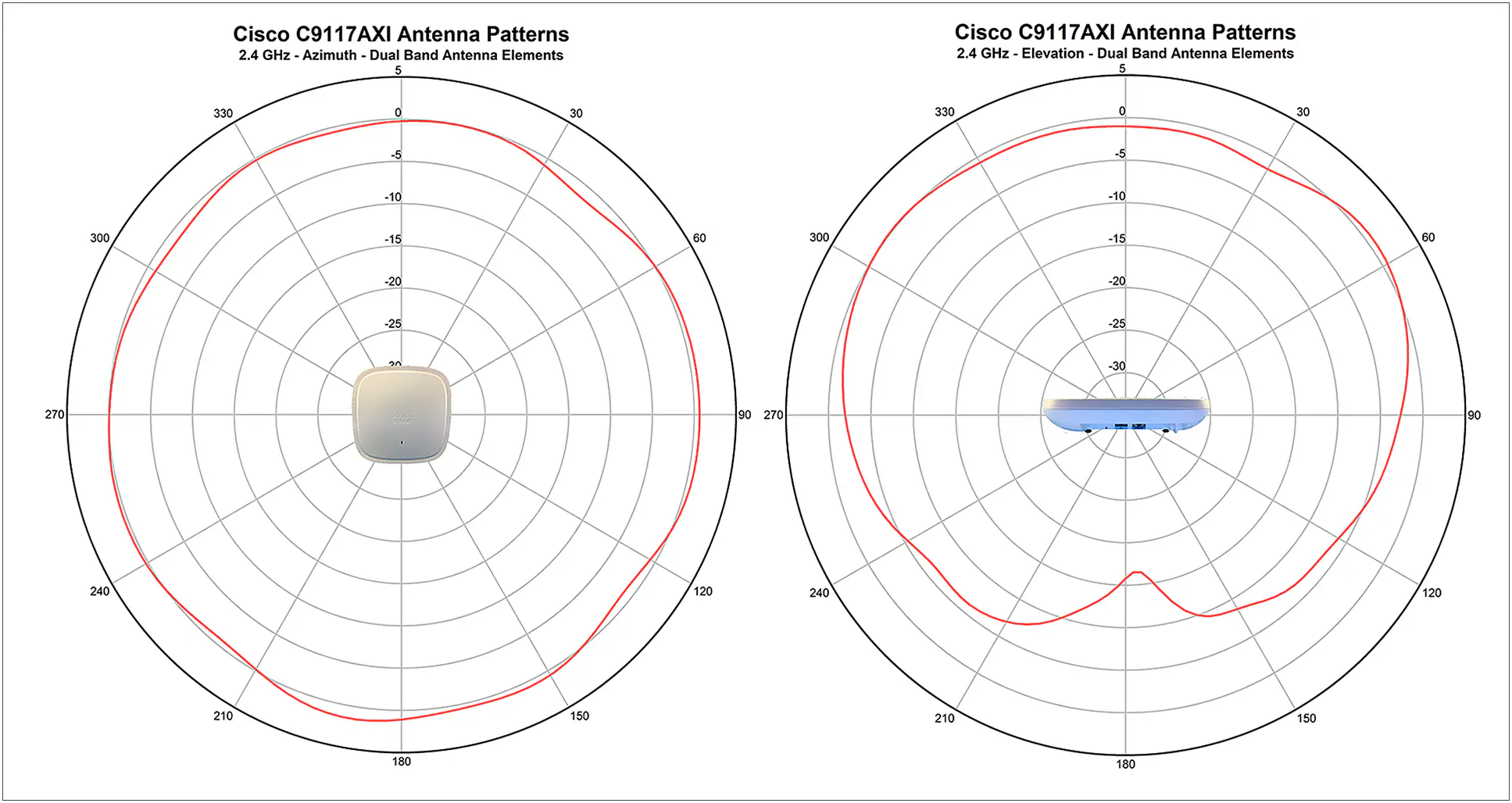
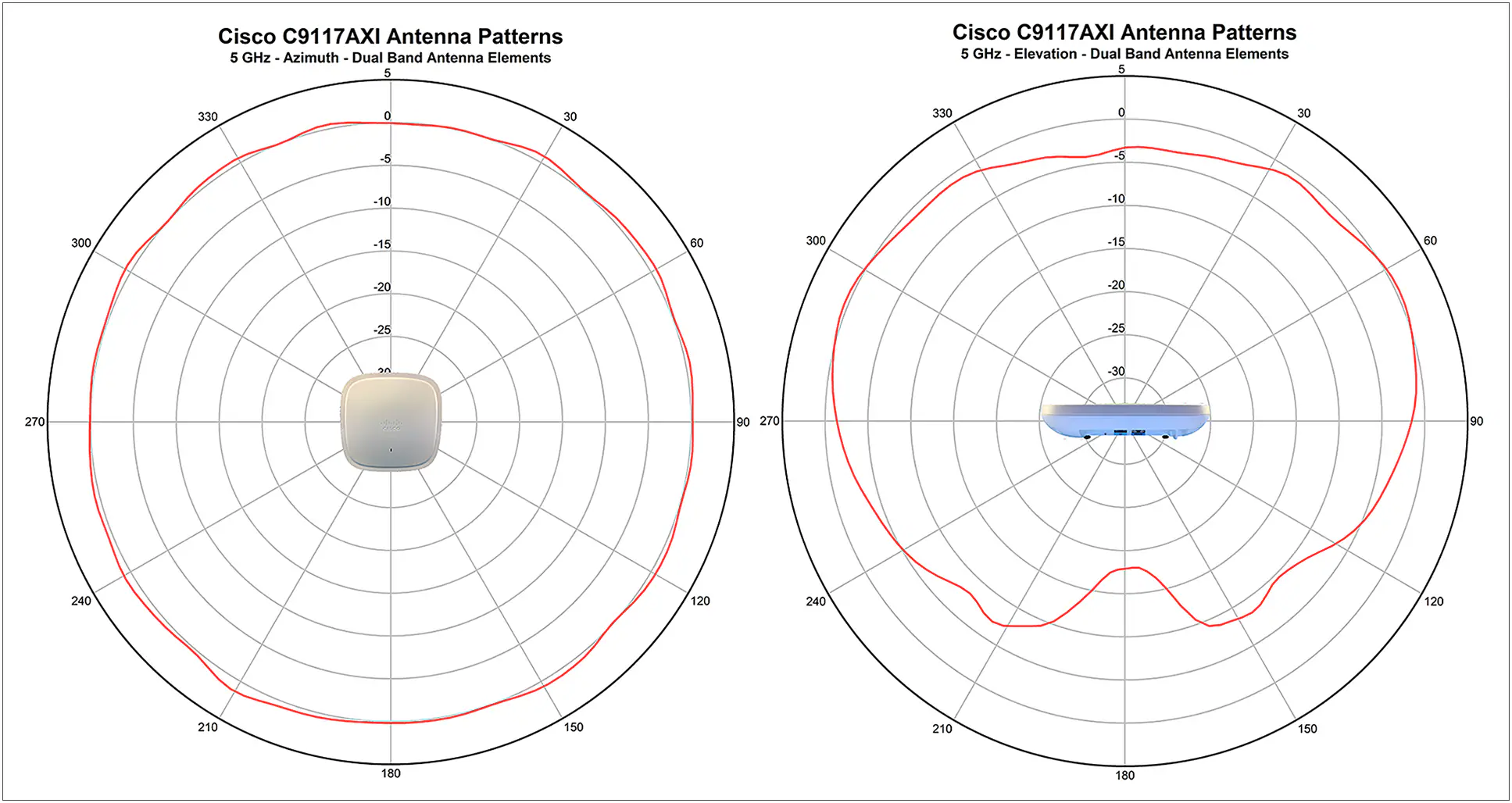
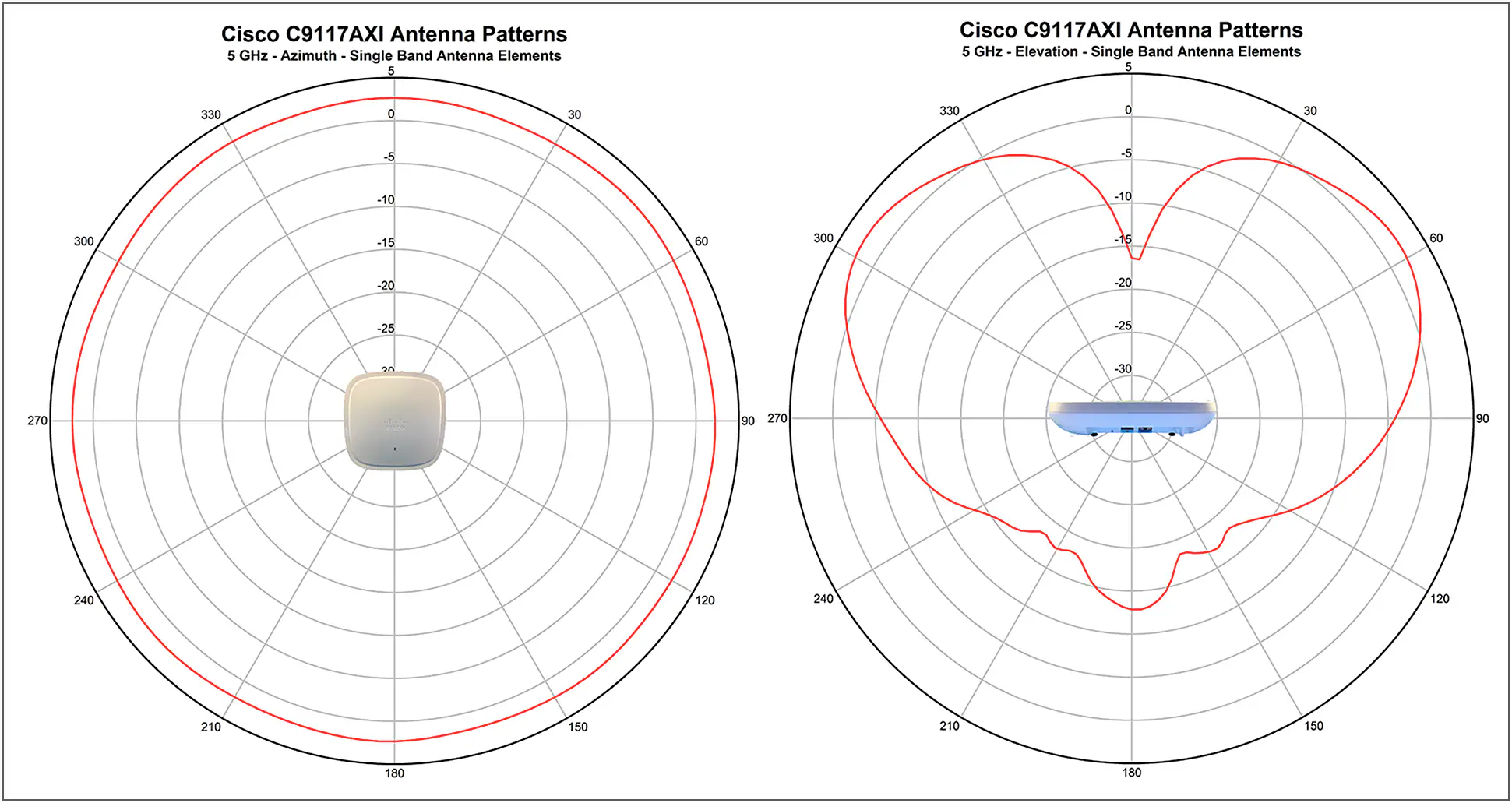
Antenna radiation patterns for the 9117I
Note: For information about feature support, refer to the Cisco Catalyst 9100 Release Notes.
Licensing
For information about Licensing and packaging, refer to Cisco DNA Software for Wireless
Smart Account
Creating Smart Accounts by using the Cisco Smart Software Manager (SSM) enables you to order devices and licensing packages and also manage your software licenses from a centralized website. For more information on Smart Accounts, refer to https://www.cisco.com/go/smartaccounts.
| Model | C9117AXI-Z |
| Category | Cisco Wireless LAN Products |
| Subcategory | 802.11ax Catalyst Wireless Access Points: C9117AX Series |
| Description | Cisco Catalyst 9117AX Series |
| Price | 1,700.93 USD |
| Last Update | 2021-04-29 |